By Chef Batho Shawn Reaitsanye
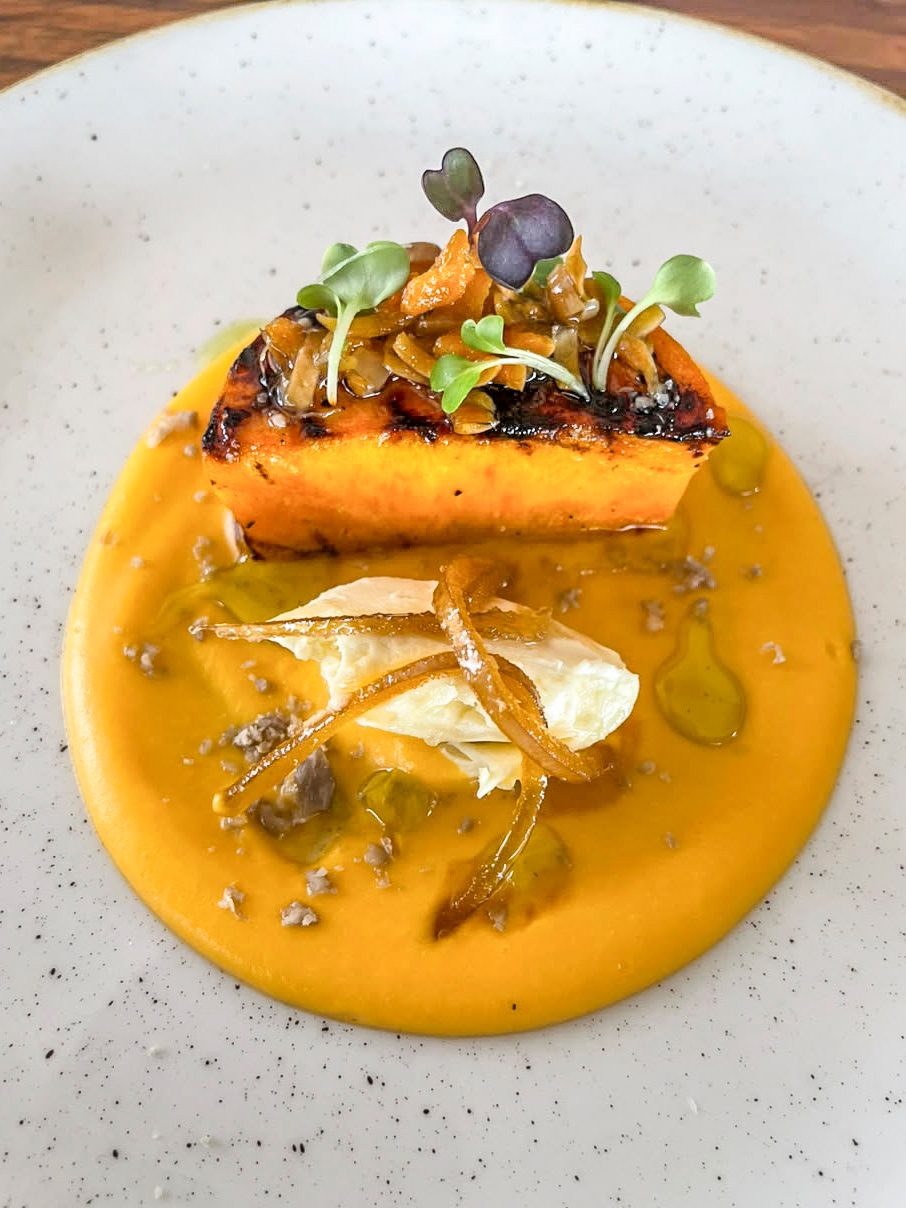
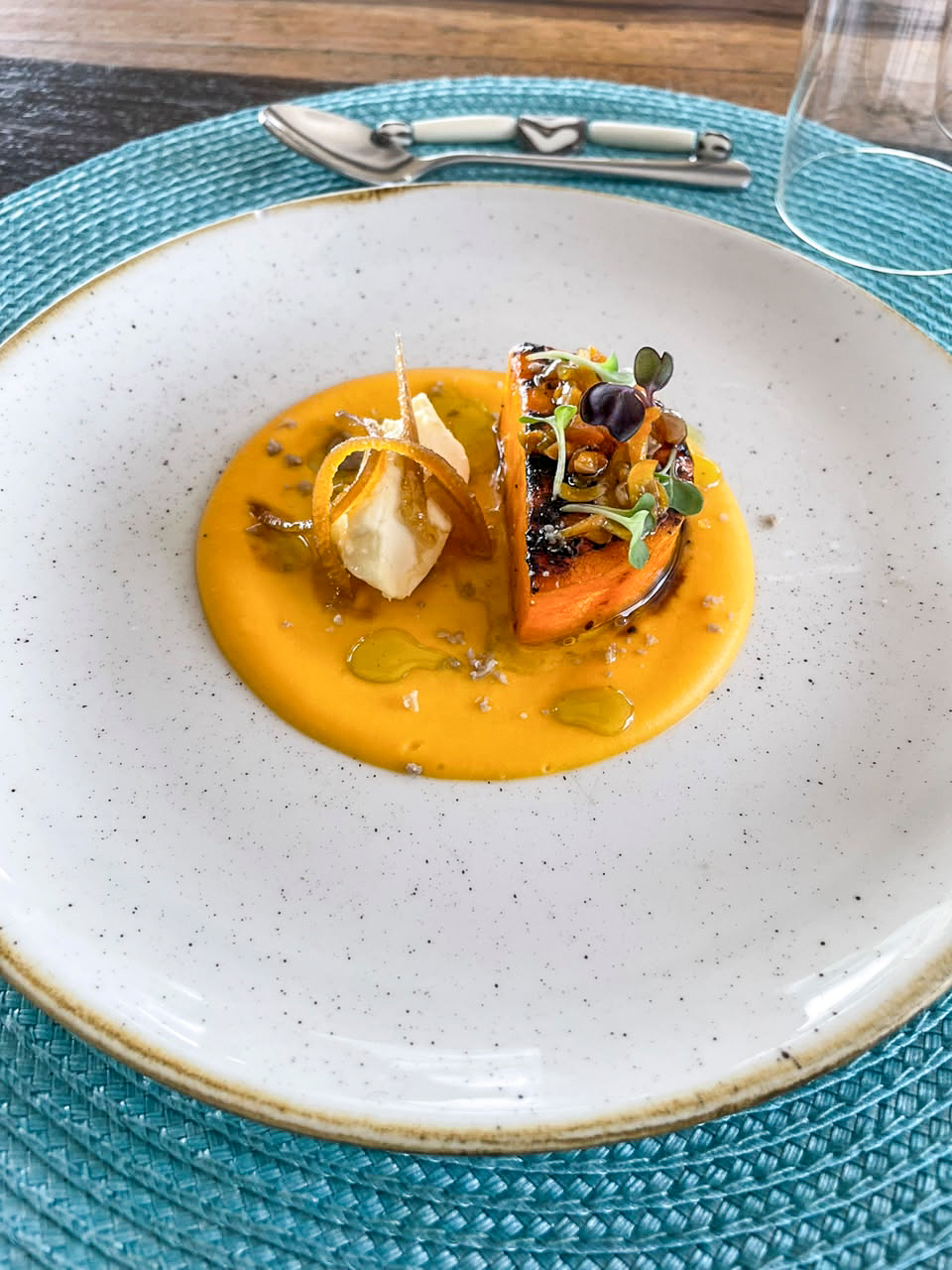
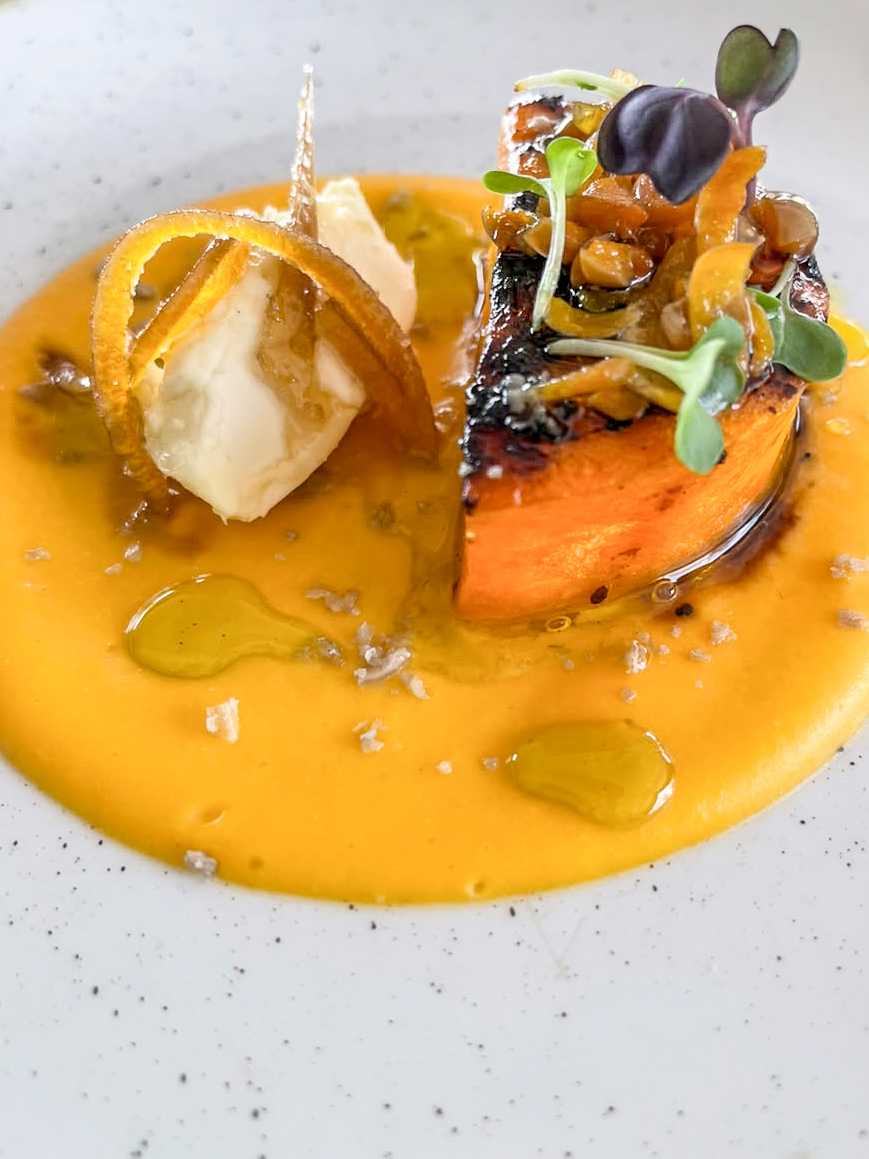
This dish is a celebration of Selinda Explorers Camp through one humble ingredient: the butternut.
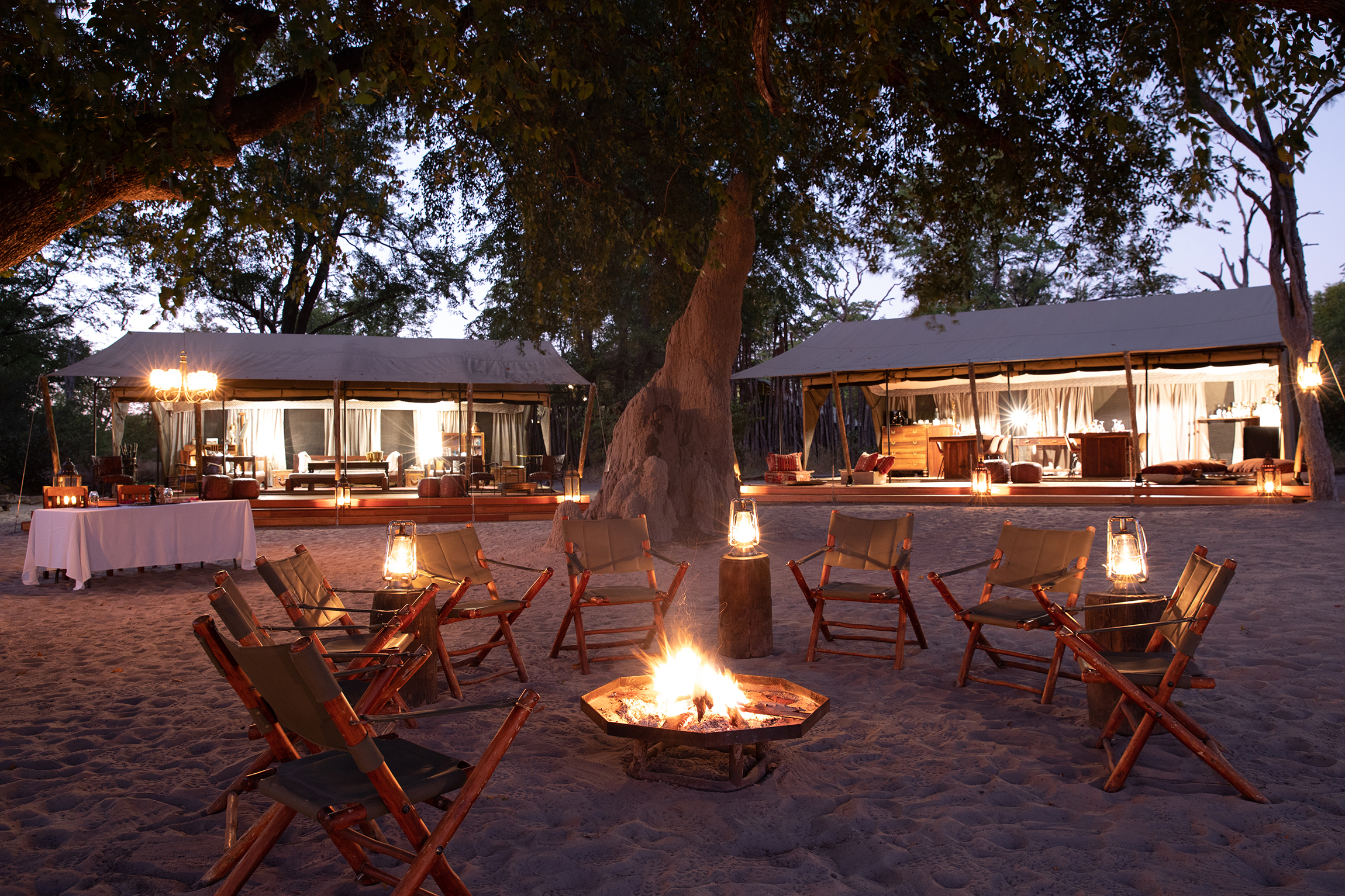
The inspiration begins with fire. Selinda Explorers is surrounded by vast stands of mophane trees, traditionally valued in Botswana as a source of firewood. Fire is an integral part of life in the bush as it brings warmth, cooks our food and creates a sense of connection around the camp. We wanted to capture that feeling on the plate, so the butternut is fire-roasted, allowing the heat and smoke to become part of its character. But the story does not stop with fire. It moves from the flame to the earth.
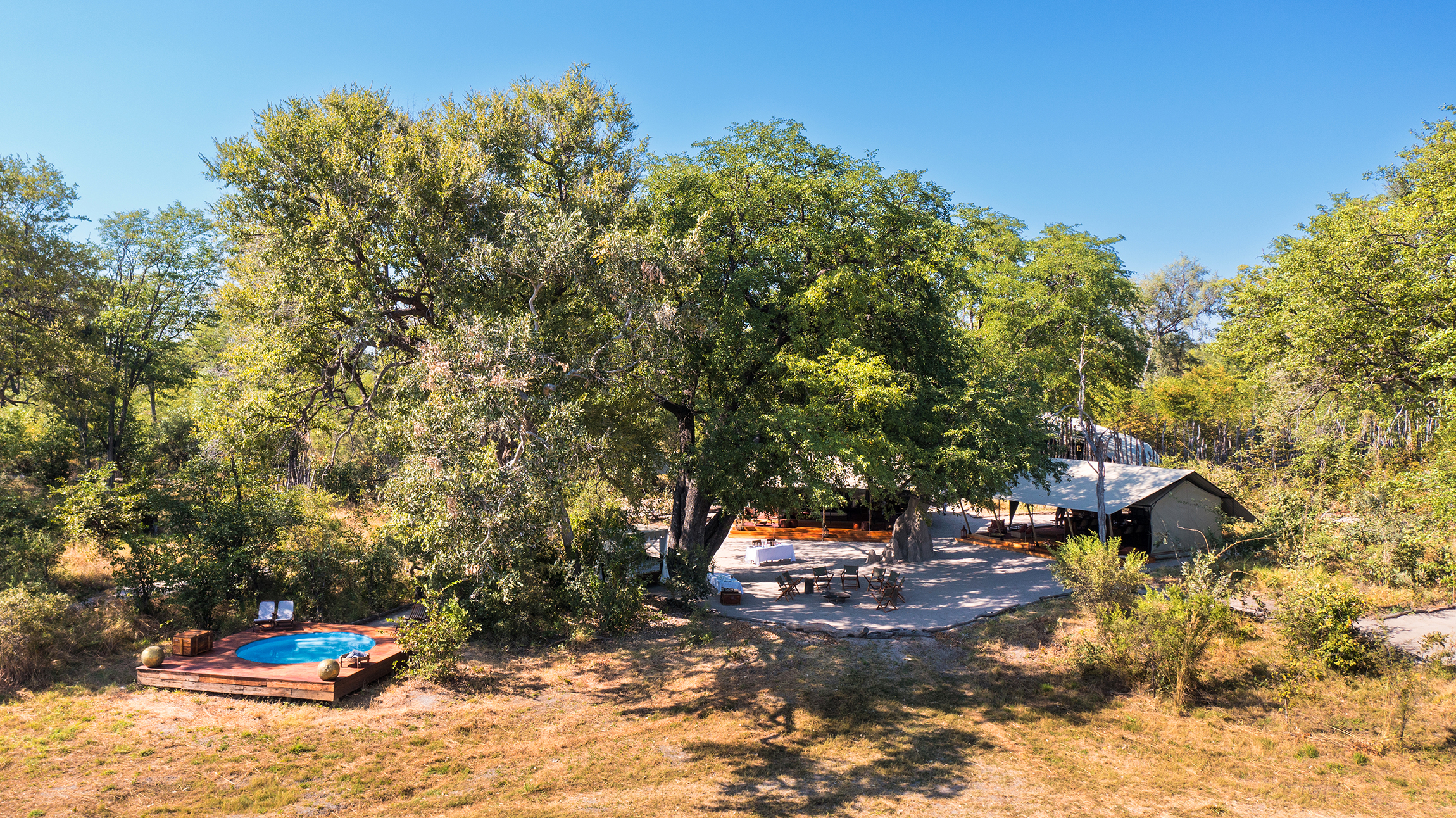
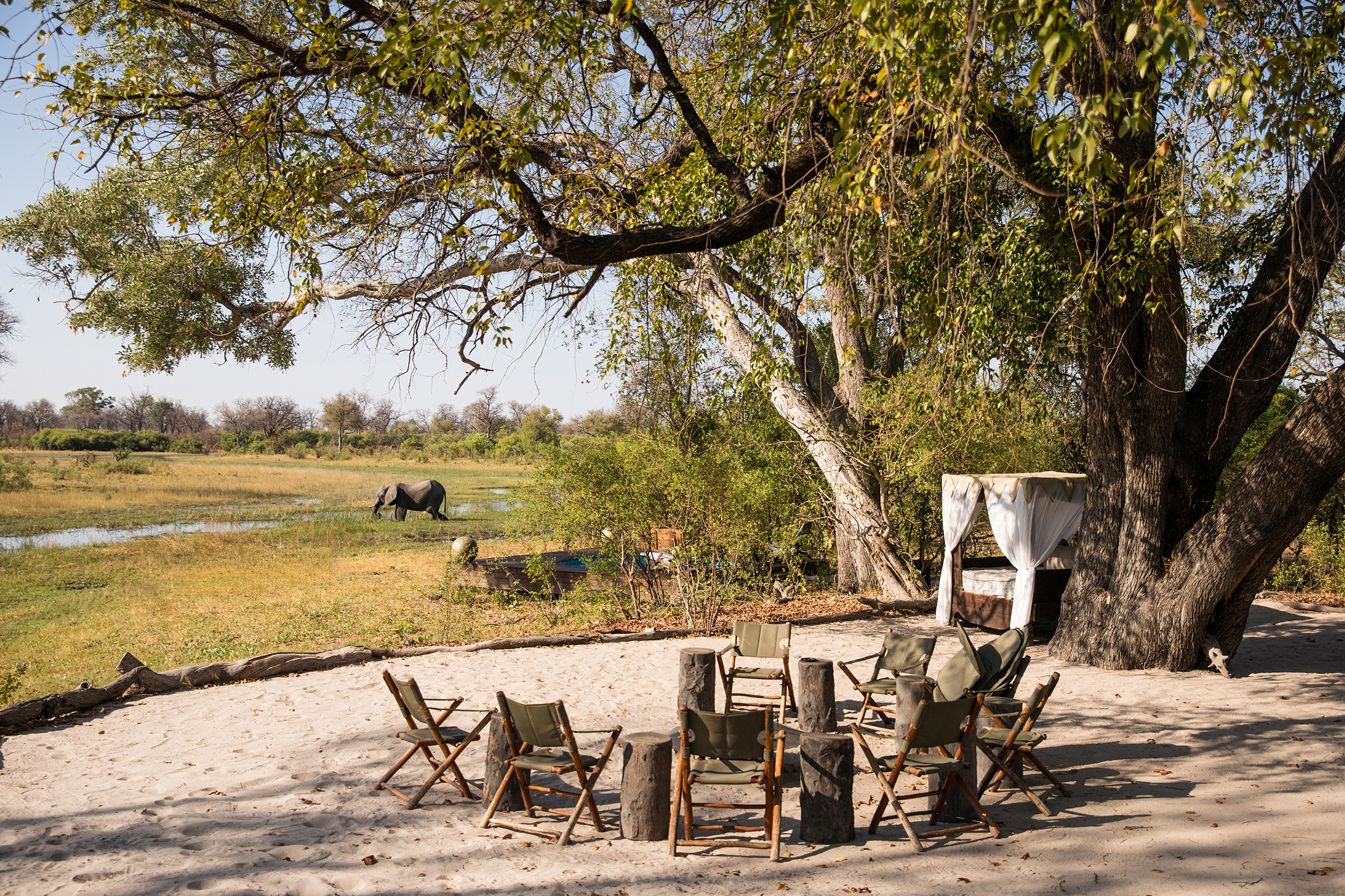
Unlike many camps, Selinda Explorers Camp does not have elevated boardwalks connecting the camp. Our guests walk directly on the ground, physically experiencing the soil beneath their feet. That connection to the earth inspired the deeper, more savoury elements of the dish. The confit butternut peels, mushrooms and miso bring an earthy, rich umami character, being a representation of the soil, the forest floor and the natural environment surrounding us. The dish is also a statement about respecting the ingredient and eliminating waste.
We use the whole butternut. The flesh becomes the fire-roasted butternut and the butternut curry. The peels are transformed into a butternut peel chutney and a confit of butternut peels with mushrooms and miso. Even the seeds are roasted and turned into a butternut seed dukkah. Nothing is simply discarded.
The crème fraiche brings freshness and acidity to balance the richness, while allowing the different expressions of butternut to come together as one dish.
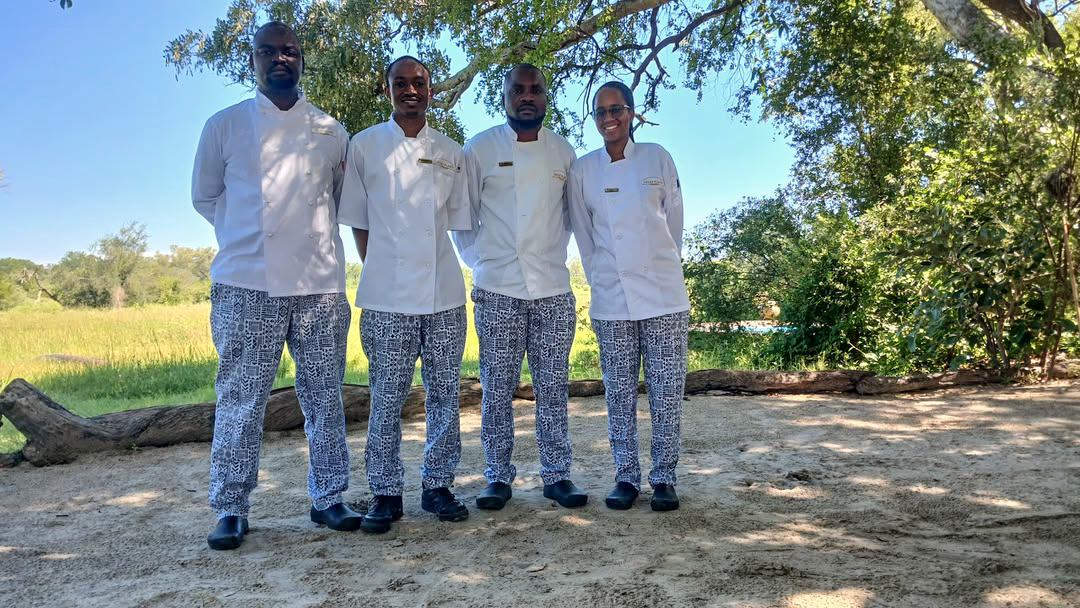
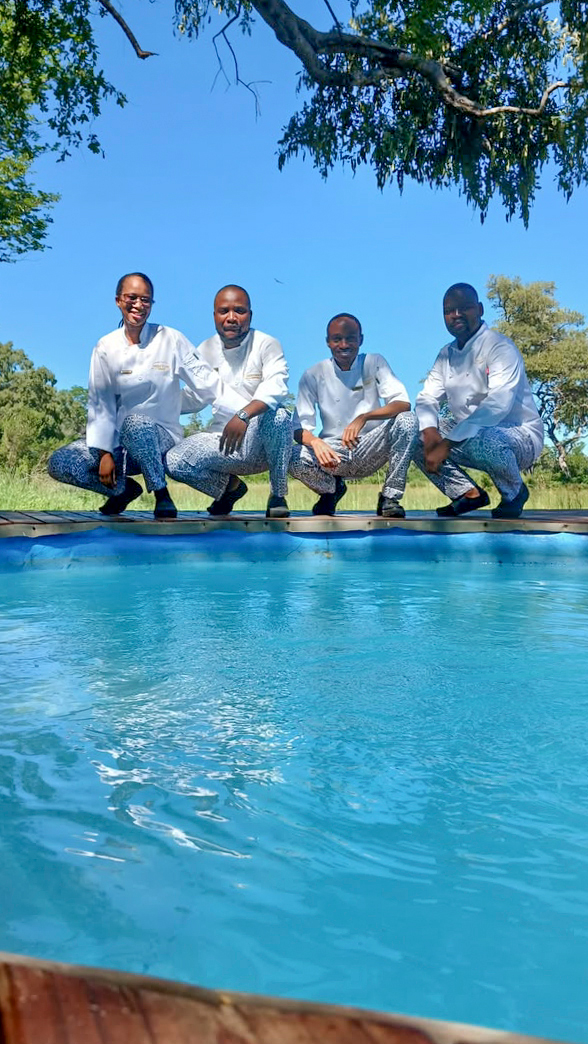
But perhaps the most important inspiration behind this dish is the four chefs working together in the Selinda Explorers kitchen.
Two and a half months in the bush is more than a measure of time; it is an experience that tests resilience, strengthens character and deepens the bonds within a team. Each chef brings a unique perspective, inspiration and motivation into the kitchen. Those differences are not obstacles; rather, it’s what makes the team stronger and keeps the creativity flowing.
Every plate that leaves the kitchen is a reflection not only of the ingredients and the environment around us, but also of the unity of the team behind it. Through long days, busy services and life in the bush, we push one another, support one another and continue to find new ways of creating memorable food.
That unity makes two and a half months in the bush feel lighter. What looks like a simple vegetable dish is therefore a story of fire, earth, sustainability and togetherness inspired by the landscape of Selinda Explorers, shaped by the people who work here, and built around the belief that every ingredient and every person has something valuable to contribute.
One butternut. Four expressions. Four chefs. One Selinda Explorers story.


Fire-Roasted Butternut Wedge
Ingredients
- 2 butternut squash, each
- 100 ml Olive oil
- 20 gm garlic, crushed
- 10 gm fresh thyme
- 5 gm fresh rosemary, chopped
- 8 gm smoked paprika
- 5 gm ground coriander
- 25 gm salt
- 5 gm black pepper
- 40 gm honey
- 30ml lemon juice
Method
- Wash the butternut thoroughly and cut into large, even wedges. Remove the seeds and reserve them for the butternut seed dukkah. Combine the olive oil, garlic, thyme, rosemary, smoked paprika, ground coriander, salt and black pepper. Coat the butternut wedges thoroughly with the marinade. Allow to marinate for 30–60 minutes.
- Build a clean hardwood fire and allow it to develop into hot, glowing coals. The aim is to use radiant heat rather than strong flames. Place the wedges over medium-hot coals. Roast slowly, turning regularly to achieve an even char and caramelisation.
- Move the wedges between hotter and cooler areas of the fire as necessary. Cook for approximately 15–25 minutes, depending on the size of the wedges. Mix the honey and lemon juice. During the final 3–5 minutes, brush the wedges with the glaze and turn regularly until caramelised.
- The outside should have a deep smoky char while the centre remains moist and tender. A skewer should pass easily through the thickest part.
Confit Butternut Peels with Mushrooms & Miso
Ingredients
- 500 gm butternut peels
- 400 gm mushrooms, finely chopped
- 100 ml olive oil
- 80 gm white miso
- 20 ml sesame oil
- 15 gm honey
- 5 gm chilli flakes
- 5 gm black pepper
Method
- Wash the butternut thoroughly before peeling. Remove any excessively tough or damaged sections. Cut the peels into thin, even strips. Blanch the peels in salted boiling water for 2–3 minutes, then transfer immediately into ice water. Drain thoroughly. Heat 30 ml of the olive oil in a heavy pan. Add the mushrooms and cook over medium-high heat until deeply browned and most of their moisture has evaporated.
- Add the miso, sesame oil, honey and chilli flakes. Stir well. Add the blanched butternut peels. Bring gently to a simmer.
- Reduce the heat to very low. Add the remaining olive oil and allow the peels and mushrooms to cook gently for approximately 20–30 minutes.
- The peels should become soft, glossy and deeply flavoured, but should still retain some texture.


Butternut Peel Chutney
Ingredients
- 500 gm butternut peels, finely chopped
- 150 gm leek, finely diced
- 100 gm apple, peeled and finely diced
- 120 gm brown sugar
- 150 ml apple cider vinegar
- 100 ml water
- 50 gm raisins
- 30 gm fresh ginger, finely grated
- 10 gm mustard seeds
- 5 gm ground coriander
- 3 gm ground cinnamon
- 2 gm ground cloves
- 5 gm chilli flakes
- 8 gm salt
- 20 ml olive oil
- 1 lemon, juice and zest
Method
- Wash the butternut thoroughly before peeling. Remove any tough or damaged sections. Finely chop the peels into small, even pieces. Place the peels in boiling salted water and blanch for 3–4 minutes. Drain well. This softens the peels and removes any harshness.
- Heat the olive oil in a heavy-based saucepan. Add the Leeks and cook gently for 5–7 minutes until soft.
- Add the ginger, mustard seeds, coriander, cinnamon, cloves and chilli flakes. Cook for 1–2 minutes until fragrant. Add the butternut peels, apple, raisins, brown sugar, apple cider vinegar and water. Add the salt and lemon zest. Bring to a gentle simmer and cook uncovered for 30–40 minutes, stirring regularly to prevent sticking. Continue cooking until the liquid has reduced and the chutney becomes thick, glossy and jam-like. The peels should be completely tender.
- Add the lemon juice and taste. Adjust the balance between sweetness, acidity, salt and spice.
- Pulse the chutney briefly with a stick blender. Keep some texture rather than making it completely smooth.
- Cool and mature
Butternut Curry
Ingredients
- 2 butternut, each diced
- 200 gm onion, diced
- 20 gm ginger, grated
- 30 gm curry powder
- 200 gm tomato, chopped
- 400 ml coconut milk
- 250 ml vegetable stock
- 30 ml oil
- 10 gm salt
- 10 ml lemon juice
Method
- Heat oil and sauté onion until soft.
- Add ginger and curry powder. Cook for 1 minute.
- Add tomato and cook for 5 minutes.
- Add butternut, coconut milk and stock.
- Simmer for 15–20 minutes until tender.
- Blend until smooth or leave slightly chunky.
- Season with salt and finish with lemon juice.


“Selinda Explorers Camp feels like a 1930s African family safari expedition camp you might have set up while collecting butterflies or dreaming up Latin names for new species you diligently catalogued in your field journal.
I do not think dreaming yourself into a scripted movie when on safari is a bad thing, especially if you are the main character.”
– Dereck Joubert