Connections often seem vague at first and seem to come out of nowhere, but once you focus on them, they become real.
Last week, Beverly and I were in the fjords of Alaska on an expedition vessel called the Hanse Explorer. This was an extraordinary opportunity to gain insight into a different wild place for us and, in particular, with Humpbacked whales’ unique behaviour called Bubble netting, research by the leading experts, Dr. Andy Szabo and Dr. Lauren Eckert.
Besides this extraordinary behaviour, I was struck by the vocalisations, the voices and language of whales because up close, they reminded me of the voices of elephants. (As a result, we may work with them to collaborate on some cross-species communication studies.)
A few years back, we relocated 101 elephants from the south of Zimbabwe to Tembo Plains, a highly successful conservation project. But what fascinated me personally was that the new elephants had been separated in time by at least 100 years, and in space by nearly 1,000km.
If we studied humans with that same separation, the foreigners would have evolved a nuanced language that would have been so different in accent and even words that communicating between them and the residents would be difficult. In Tembo, it took the foreign elephants about two weeks to meet residents, to communicate and to change their patterns of movement completely as a result.
It shows that a simple translocation (although there is little simple about moving elephants 1,000km by truck across a country) can result in great science and conservation answers, but also in even more questions for us to investigate for a more thorough understanding of this quite incredible natural world and its inhabitants.
This week includes World Elephant Day, and it is appropriate that I am investigating elephant communication like this.
They are some of the most complex communicators in the African savanna, with vocalisations in the same range that our ears can hear and even below our audible range. They have complex family lives, and the gentle management of their families and the world they influence is genuinely remarkable. They show empathy, trust, altruism and a range of behaviours we would be proud of in our human society.
So it is out of respect to them that I ran through the difference in elephant sighting opportunities across our portfolio.
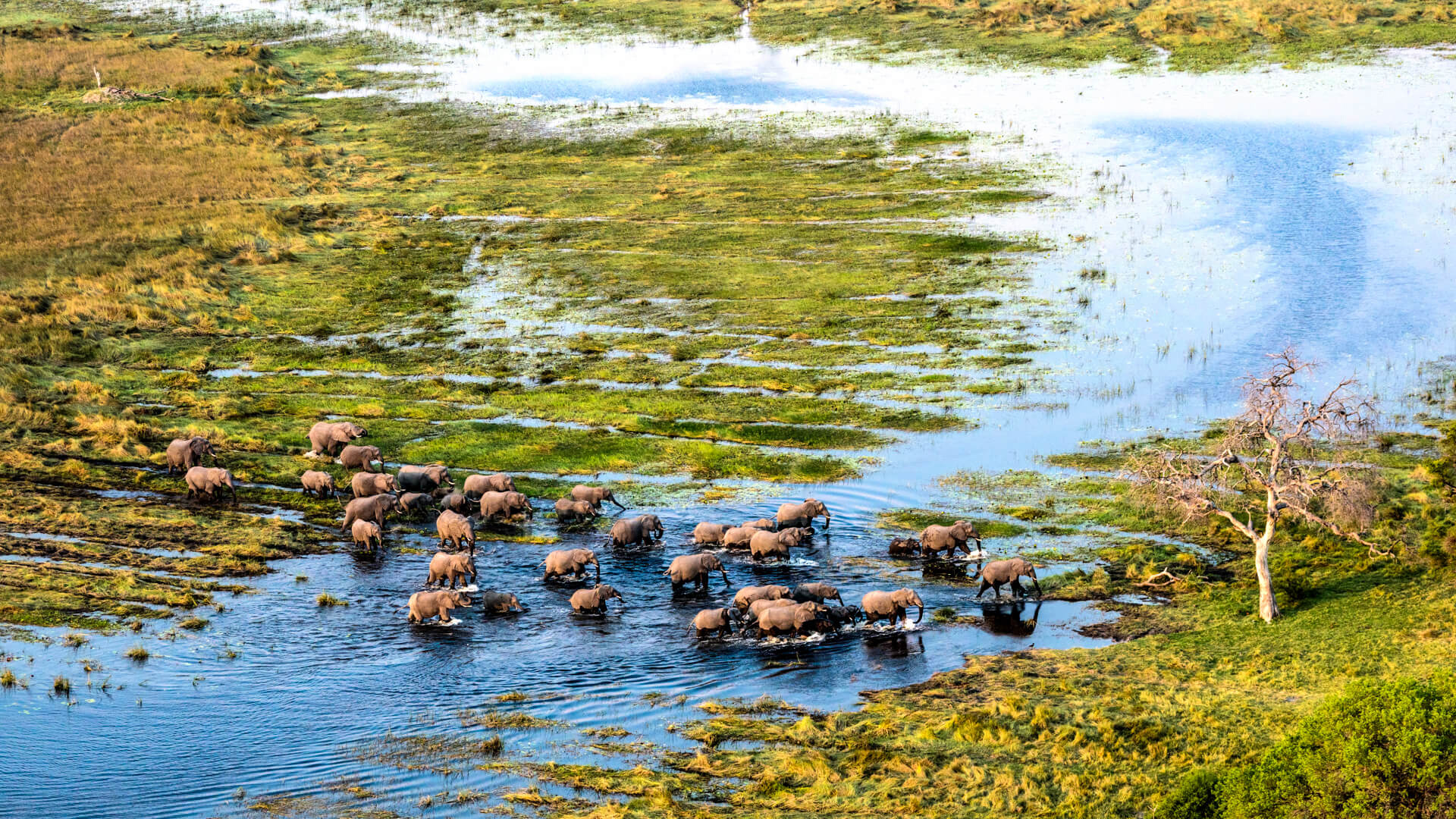
In Botswana, Selinda Camp, Zarafa Camp and Selinda Explorers Camp in the private Selinda Reserve, are where we think there are around 7,000 elephants that gather in large clans at this time of the year. Okavango Explorers Camp, a little further south west, is right at the epicentre of this elephant concentration.
Down in the Duba Concession (Duba Plains and Duba Explorers Camp), there is an entirely different elephant population, often seen in scattered families marching across the plains, chasing lechwe or buffalo out of their way as they move towards the nearest waters of the Okavango.
In Zimbabwe, starting at Mpala Jena, near Victoria Falls, elephants feed under the large ebony trees near the new villas. At Tembo Plains, a hundred new elephants mingle with residents, and three new babies have been born from the earlier reintroduction.
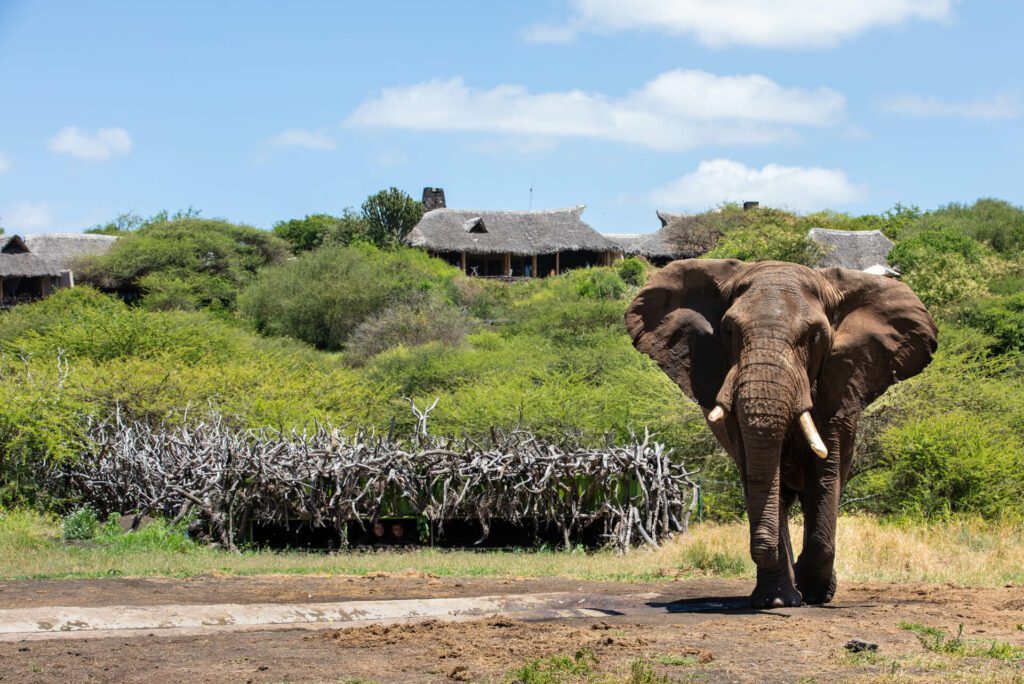
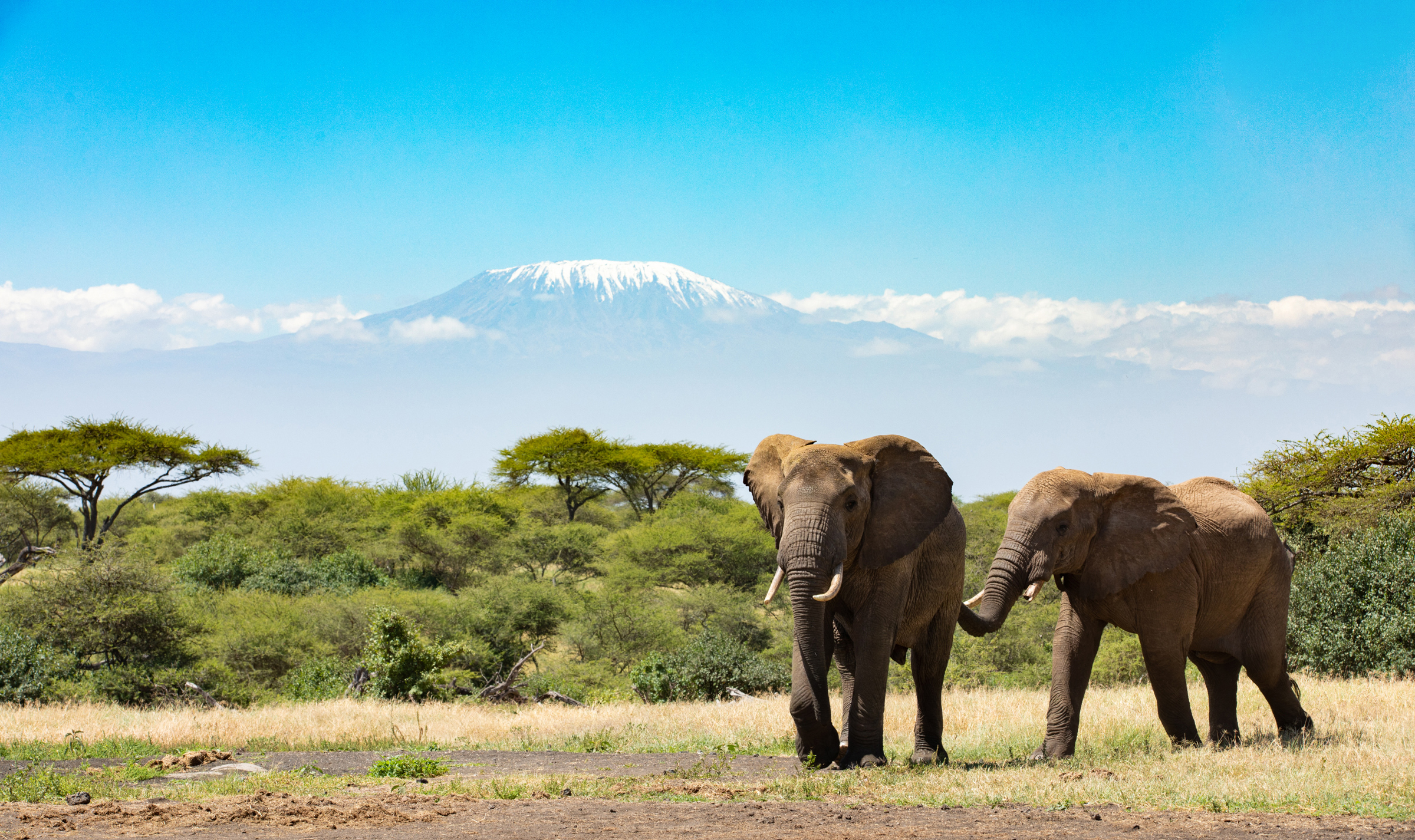
Of course, at ol Donyo Lodge, some of the largest tuskers in the world gather around our waterhole, and can be seen live via our hidecam. In the Maasai Mara, much like Duba, families move gently from thicket to thicket, but here, females are different, some with long, thin tusks of gleaming ivory.
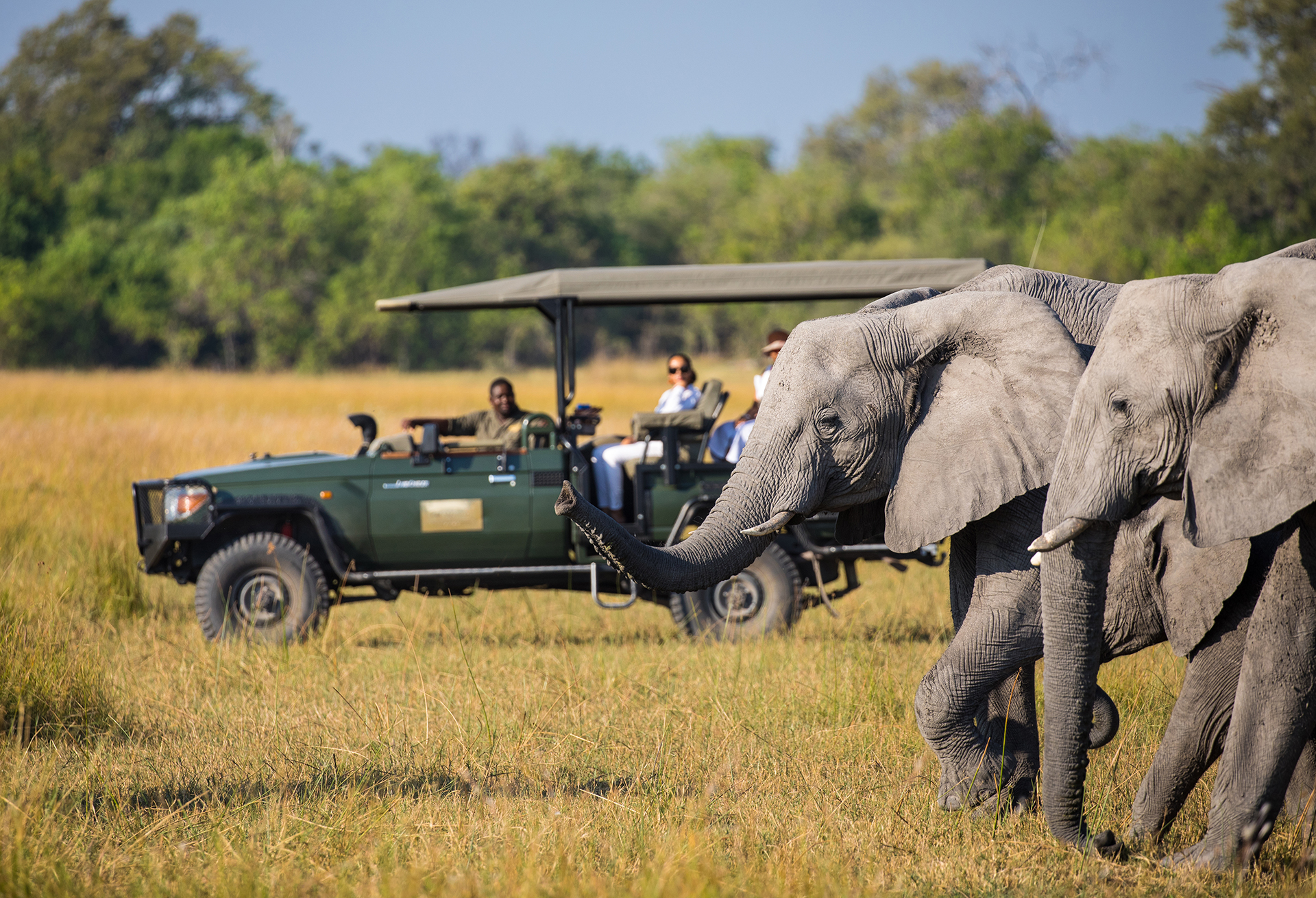
All in all, a Great Plains journey is many things, but if it focused on elephants alone, each of our 14 camps or lodges would give you a different view of elephants, different insights, and, if you sit quietly, different voices.